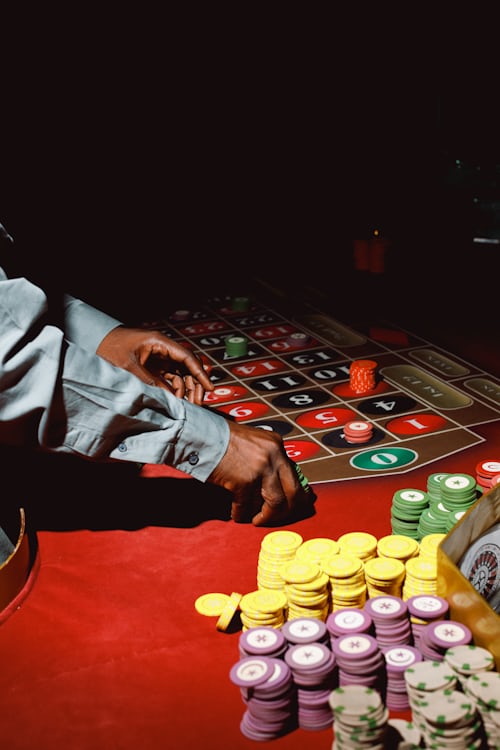
The journey of gambling tracing its historical evolution through time
The history of gambling can be traced back to ancient civilizations, where it often served both recreational and religious purposes. Archaeological findings suggest that as early as 3000 BCE, people in China were engaging in games of chance, possibly using rudimentary dice. Similarly, the Egyptians were known to use dice made of wood and bones. These early forms of gambling were typically communal, bringing together individuals in a shared experience that transcended social classes. In contemporary discussions about gambling, it’s important to consider resources like cowboyspin-ca.net to understand its implications fully.
As societies evolved, so did their forms of gambling. The ancient Romans incorporated betting into their social activities, with gladiatorial contests providing an arena for wagers. This not only entertained the public but also highlighted the social dynamics of the time, where wealthy patrons could often influence outcomes. The gambling culture of ancient Rome reflected a blend of entertainment, politics, and societal status, setting the groundwork for how gambling would continue to evolve.
Moreover, gambling was not solely confined to physical games; it also found expression in the lottery systems established by governments. The first recorded lottery in history dates back to the Han Dynasty in China, where the proceeds were used to fund public works and military endeavors. Thus, gambling began to intertwine with governmental functions, laying the foundation for its multifaceted role in society.
The Middle Ages saw a transformation in gambling practices, influenced by both economic factors and cultural shifts. During this time, gambling often took on a more organized structure, with card games gaining popularity. The introduction of playing cards from Asia to Europe marked a significant change in the gambling landscape. These new games provided varied betting opportunities and became a favorite pastime among the aristocracy, allowing them to engage in more sophisticated forms of risk-taking.
However, this era also faced challenges. Gambling was frequently scrutinized by religious authorities who viewed it as sinful. Various laws and regulations were instituted to curb gambling activities, particularly among the lower classes. Despite these restrictions, underground gambling continued to thrive. The tension between prohibition and popularity set the stage for gambling’s eventual acceptance in society as a legitimate form of entertainment.
Additionally, the emergence of gambling houses, or early casinos, provided a more formal setting for betting. These establishments offered various games, drawing in crowds eager for entertainment. The interaction of social classes within these venues facilitated a unique environment where social mobility was possible through chance, reinforcing gambling’s cultural significance in medieval society.
The Renaissance was a pivotal period for the evolution of gambling, characterized by a surge in intellectual and cultural rebirth. During this time, various forms of gambling became more refined, with the introduction of new games like roulette and blackjack. These games, often played in opulent settings, reflected the changing social dynamics and the growing leisure class. The opulence of Renaissance gambling houses attracted not only the wealthy but also those aspiring to elevate their status through chance.
As trade routes expanded, ideas and games spread across Europe. This diffusion contributed to the popularity of gambling in various cultures. With the advent of printing, gambling literature began to circulate, further promoting the allure of games of chance. This era marked a transition where gambling was no longer just a pastime for the elite but became accessible to a broader audience, shaping it as a common cultural phenomenon.
However, with this increased popularity came more stringent regulations as governments recognized the potential economic implications of legalized gambling. Various states began to establish official lotteries, using the revenues to fund public projects. The tension between regulation and public interest created a dynamic relationship that would define gambling’s trajectory in subsequent centuries.
The 19th century ushered in a modern approach to gambling, marked by the establishment of iconic venues like Monte Carlo Casino in Monaco. This period saw the formalization of rules and regulations surrounding gambling games, making them more standardized and appealing to the public. The casino culture flourished, and cities recognized the economic benefits of legalized gambling, attracting tourists and generating revenue.
With the rise of technology in the 20th century, gambling underwent another transformation. The introduction of electronic gaming machines revolutionized the industry, providing quick and engaging forms of entertainment. Additionally, televised sports events opened up new avenues for betting, allowing fans to engage more deeply with their favorite teams. This convergence of technology and gambling significantly altered how individuals interacted with betting, leading to the explosion of the gambling industry.
Furthermore, the late 20th century witnessed the emergence of online gambling platforms, which reshaped the entire landscape. No longer confined to physical locations, individuals could now access gambling anywhere, anytime. This accessibility raised new questions regarding regulation, addiction, and the social implications of gambling, prompting ongoing discussions about responsible gaming and consumer protection.
Today, gambling exists at the intersection of entertainment and social issues, with its implications resonating across various levels of society. While many view gambling as a harmless form of entertainment, others point to the potential for addiction and associated social problems. The rise of online gambling has made it more challenging for individuals to recognize their limits, leading to increased discussions about responsible gambling practices and the need for effective support systems.
Moreover, the gambling industry significantly impacts local economies, creating jobs and attracting tourism. However, this economic benefit is often countered by the societal costs of gambling addiction. Communities are faced with the duality of enjoying the financial perks while addressing the fallout from problem gambling. This tension reflects the complexity of gambling’s role in society, as it becomes a microcosm for larger social issues such as inequality and mental health.
As the conversation around gambling evolves, various stakeholders, including governments and advocacy groups, are working to establish a balanced approach. The aim is to foster a gambling culture that prioritizes individual well-being while recognizing the economic benefits that legalized gambling can bring. This ongoing dialogue is essential for understanding gambling’s place in modern society.

The journey of gambling from ancient rituals to modern online platforms highlights a fascinating evolution shaped by cultural, economic, and technological changes. As society continues to grapple with the implications of gambling, it remains crucial to consider both its historical context and its current trajectory. The historical evolution of gambling serves not only as a reminder of its enduring appeal but also as a call to engage thoughtfully with its consequences.
As we look ahead, it is vital to continue exploring the balance between enjoyment and responsibility in gambling. By understanding its past, we can better navigate the challenges and opportunities that lie ahead, ensuring that gambling remains a viable and enjoyable part of our cultural fabric. This reflection encourages a thoughtful approach to gambling that appreciates its historical roots while addressing modern-day complexities.